Journeys
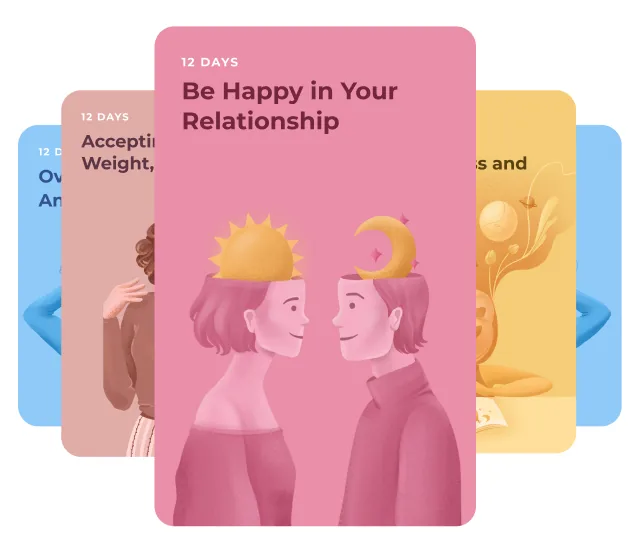
Structured, audio and written psychoeducation with built-in exercises.
Our approach
UpLife's approach combines Cognitive Behavioral Therapy, structured daily practice, and a growing base of real-world clinical data, all designed to work alongside the people already providing care.
Trust & evidence
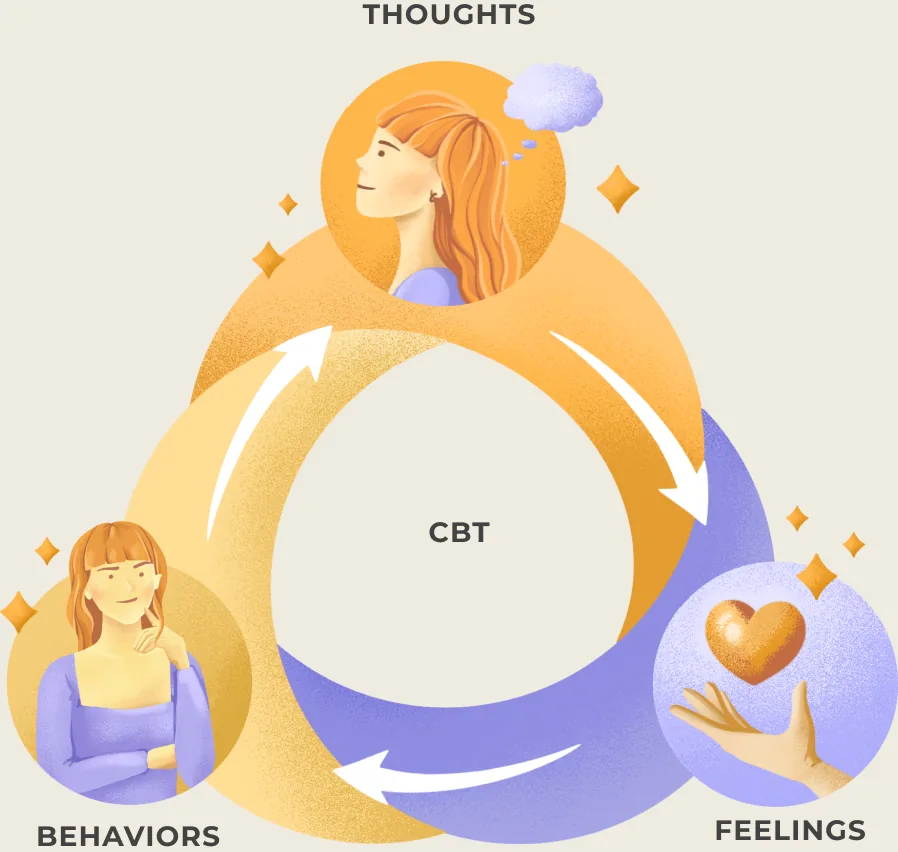
Every UpLife journey is grounded in Cognitive Behavioral Therapy. During onboarding, we ask what someone wants to work on, how they would like to work on it, and what is driving the need for support now, the same three dimensions CBT itself is built around: goals, methods, and underlying triggers. A weighted model uses those answers to recommend a first journey, then keeps adapting as someone actually uses the app.
Structured, audio and written psychoeducation with built-in exercises.
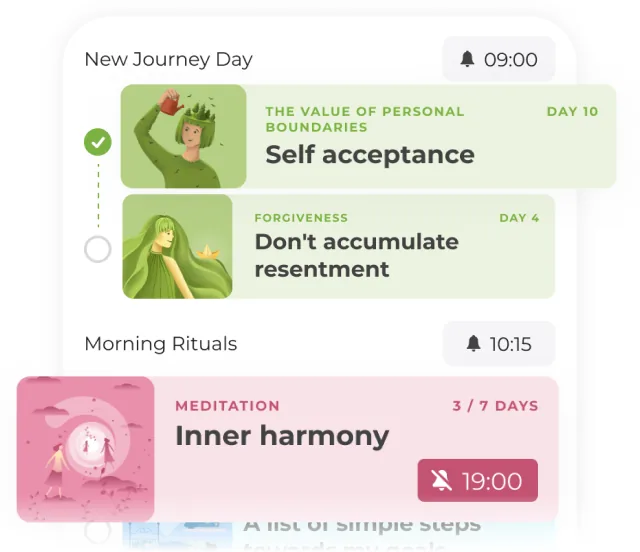
A chronological checklist with proactive reminders, the routine CBT depends on.
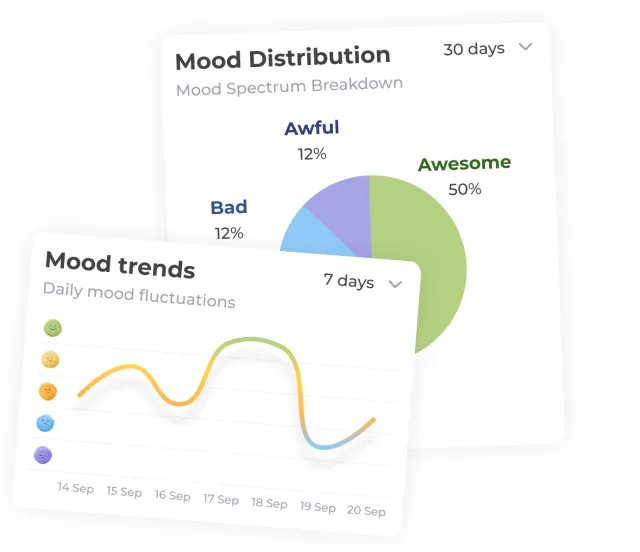
One-minute check-ins that double as data and a moment of mindfulness.
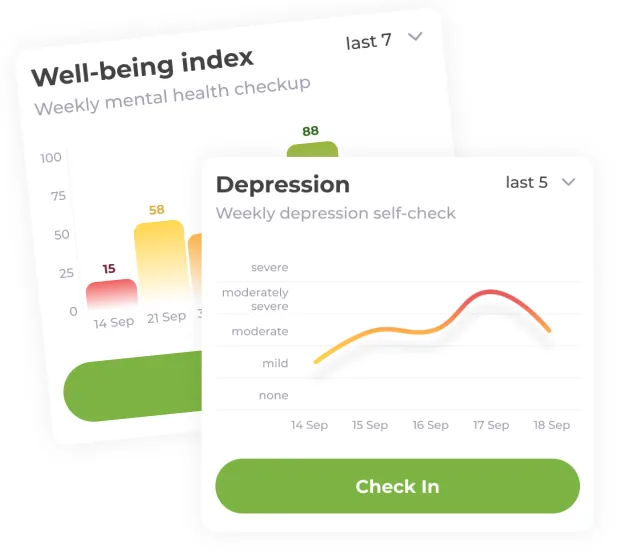
An assistant that recommends existing content. It does not provide AI-generated therapy.
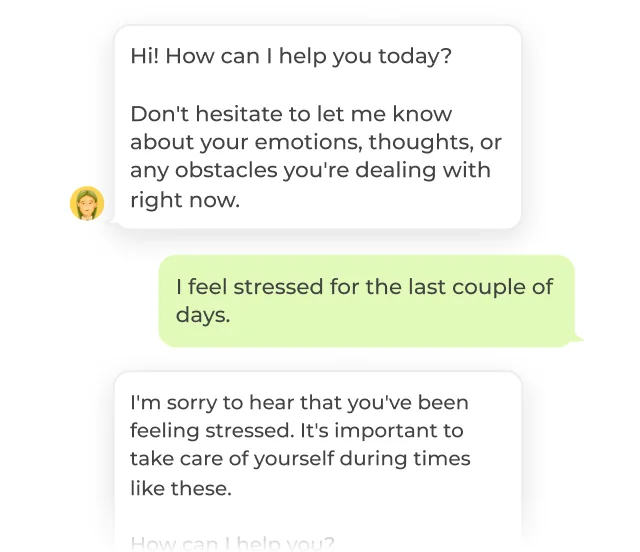
A running log of activity and reflection, built to reinforce progress over time.
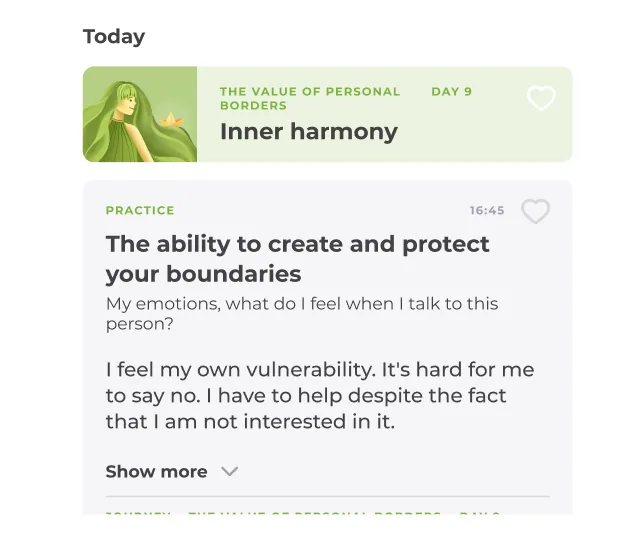
PHQ-9, GAD-7, WHO-5 — administered remotely, scored automatically.
UpLife's therapist portal is HIPAA-compliant and built for a Blended Care Therapy model. Clinicians assign and adjust a client's Daily Plan, review mood and assessment data, read journal entries when clients choose to share them, and track progress, all designed to make face-to-face sessions go further, not disappear.

Trust & evidence
Tracked using real-world data from actual users since 2021, not a lab study.
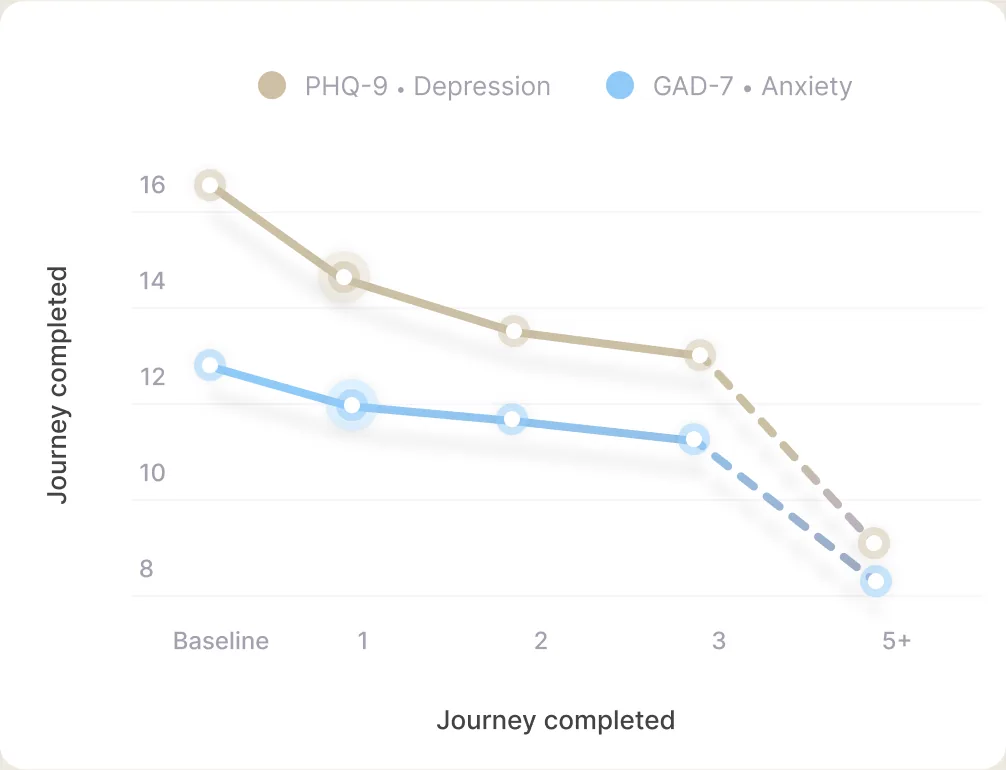
The clearest finding:
The more of their program people completed, the greater their improvement. Engagement, not just enrollment, is what moved the numbers, the same principle behind everything else on this site.
How we think about our own evidence
This is observational, real-world data, not a randomized controlled trial, and it does not include a control group. The clinical results come from a smaller subset of users who completed baseline and follow-up assessments, not the full user base. Well-being scores did not show a statistically significant improvement in this dataset.
Symptoms drop after journey one - and keep dropping with deeper engagement
500,000+
Accounts created since 2021
1 in 3
185,000 went on to use the program and were part of study.
Meaningful
reduction
In average depression symptom scores
Meaningful
reduction
In average anxiety symptom scores
Source: UpLife internal real-world data evaluation, observational pre-post design, 2021–2026.
Where UpLife lives

Free to start, self-guided app. Anyone can begin tonight.

A clinic, university, or employer turns this on for a population, no 1:1 setup.

Onboarding maps goals, methods, and triggers, and content adapts as it's used.

A real clinician assigns, reviews, and adjusts between sessions through the therapist portal.


Start for free with your practice, clinic, or workplace program.
Prefer to talk first? Book a demo.

(rating and download statistics refer to the client app in stores)