1
Set the plan
Your team configures CBT routines and screenings, PHQ-9, GAD-7, and program-specific tools like CCAPS, aligned to each client's or student's care plan.
For community clinics & university health centers
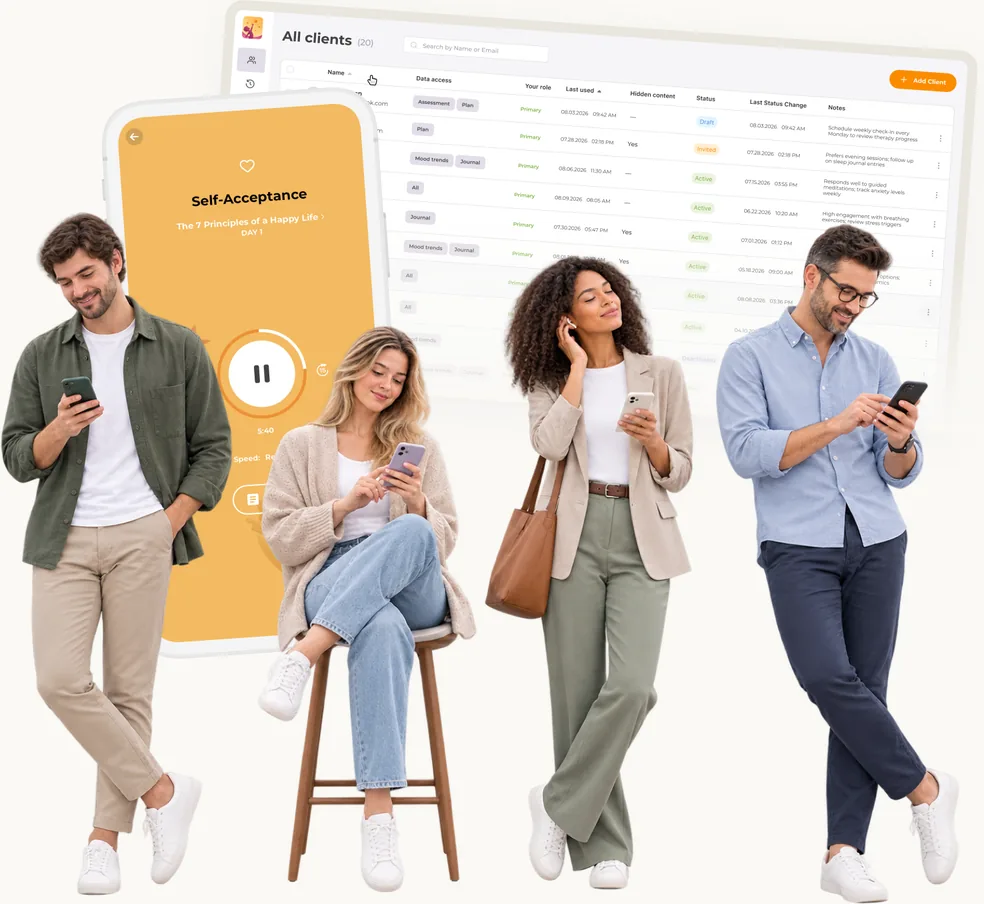
When demand outruns your workforce, UpLife helps your clinicians and counselors do more. It's a digital CBT tool that gives clients and students structured daily skills practice while they wait for care, between appointments, and over academic breaks, aligned to the tiers of your stepped-care model.
Prefer to talk first? Book a 15-minute walkthrough.
The problem
93
The standardized caseload now averages 93 students per full-time counselor each year, and the busiest centers exceed 300.
64%
Arrive already having had counseling, the highest share since tracking began in 2012. Acuity keeps climbing.
Hiring
Centers that sharply expanded staff still report demand outpacing capacity, driving the need for scalable, stepped-care solutions.
Source: Center for Collegiate Mental Health, 2025 Annual Report (2024–2025 Clinical Load Index), university health centers. Community behavioral health programs face a parallel pressure, waitlists and funding tied to quality-measure reporting, without an equivalent published benchmark.
Where UpLife fits
UpLife slots in at the point where most clients and students actually are: on a waitlist, or between visits. It reinforces your team, it doesn't replace it, and it steps aside the moment someone needs a higher level of care.

Entry
A client or student is referred in, or waiting for their first appointment.
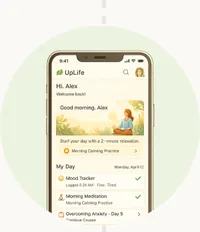
Self-guided
Structured CBT practice starts immediately, at no cost, no 1:1 setup.
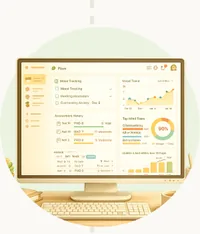
Optional
A clinician or counselor layers in the portal, assigning and reviewing practice.

Hand-off
If acuity requires it, your protocols take over. UpLife is not a substitute.

Step-down
Daily practice resumes to protect the gains made in more intensive care.
The mechanism
1
Your team configures CBT routines and screenings, PHQ-9, GAD-7, and program-specific tools like CCAPS, aligned to each client's or student's care plan.
2
Short, guided CBT sessions and mood tracking while waitlisted, between visits, or over academic breaks, at no cost to them.
3
Clinicians and counselors review scores and engagement in about two minutes a week, data that supports measurement-based-care and administration reporting.
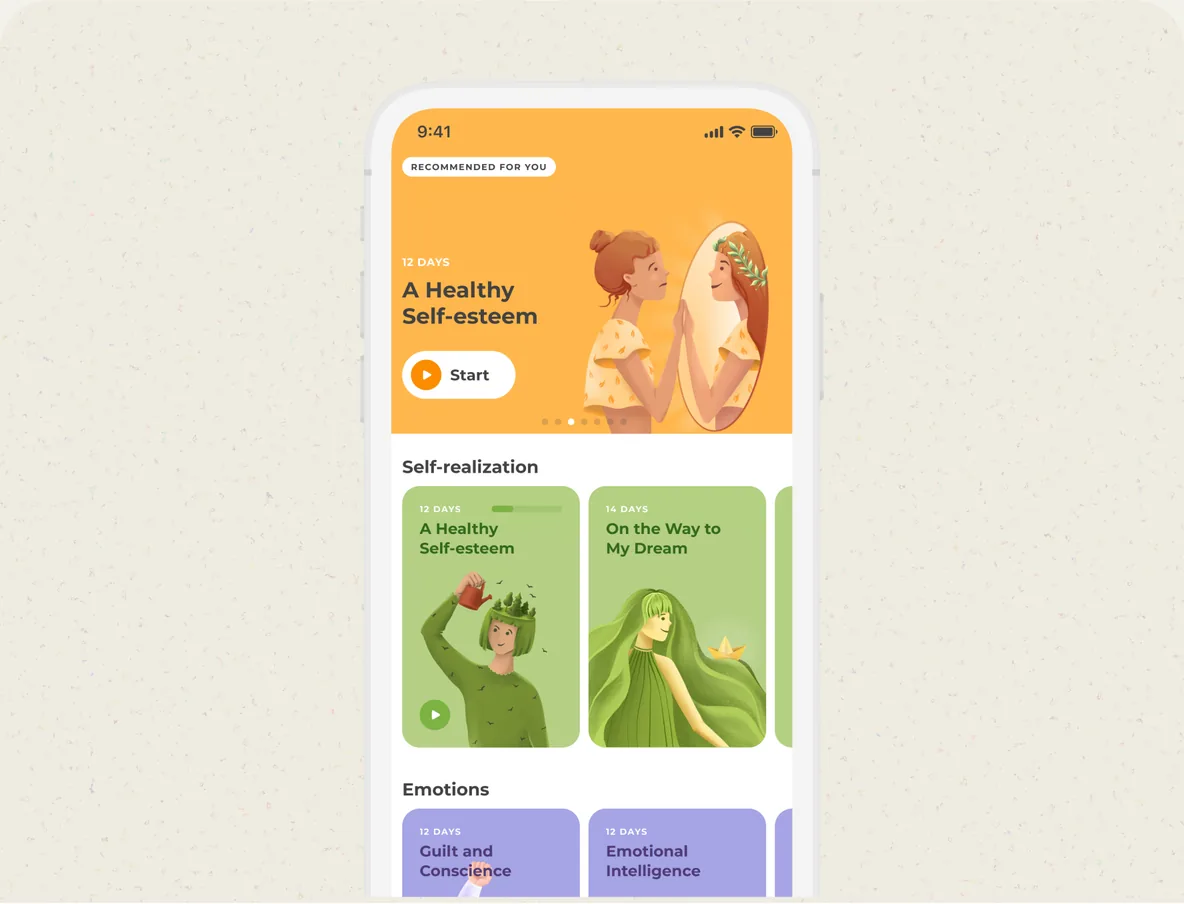
 Offer structured support to waitlisted and between - visit clients or students, no 1:1 setupExtends scarce clinician or counselor reach without new hiresPriced on the population you serve, not per clinician
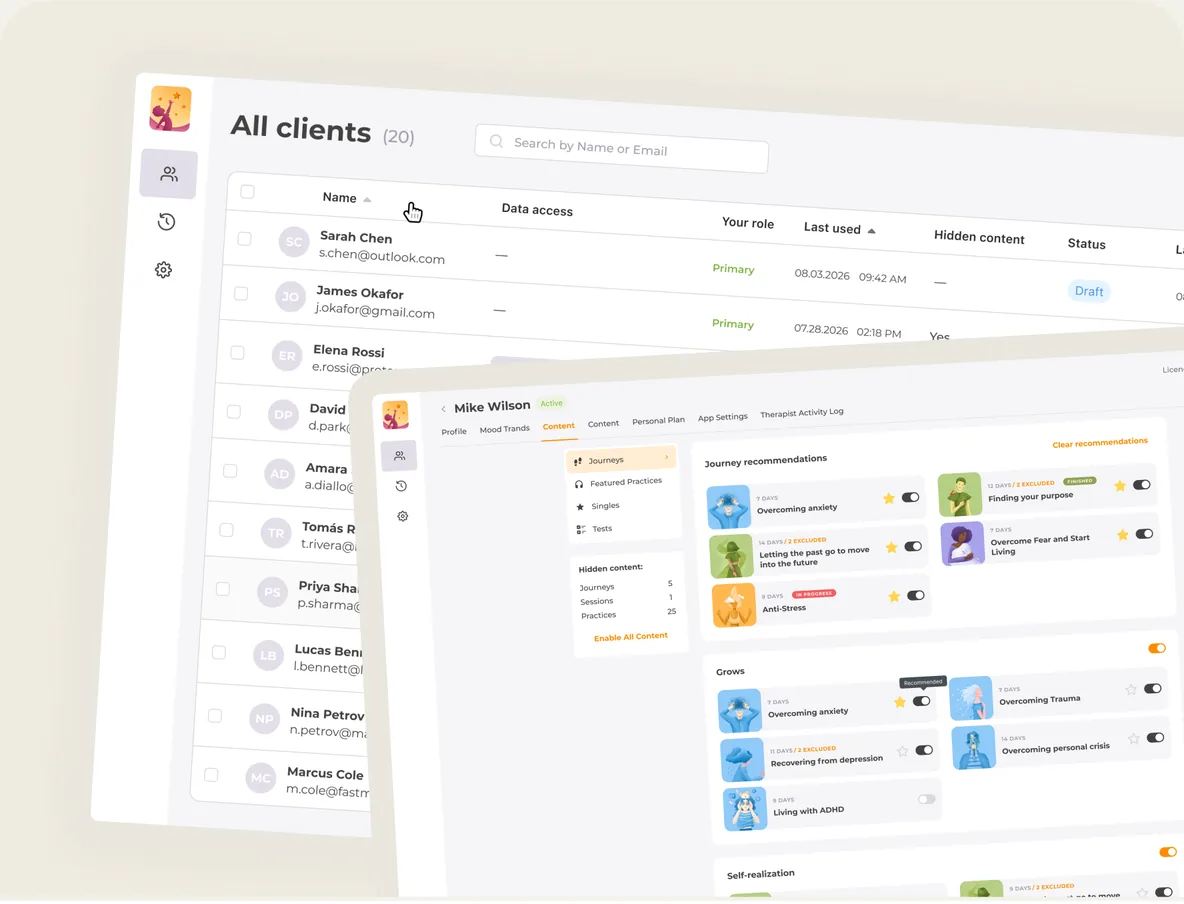 Clinicians or counselors assign and monitor practice through a portalFeeds measurement-based-care and quality-measure or impact reportingAdded where you want closer 1:1 oversight
Put structured daily support in the hands of clients and students you can't yet schedule.
Engagement and outcome signal that supports quality measures, value-based sustainability, and impact reporting to administration.

CBT rigor for the mental health, SUD, and campus-typical presentations, anxiety, depression, stress, you're built to serve.
Daily structure keeps clients and students connected through waitlists and breaks, reducing no-shows and lost momentum.
Crisis care
UpLife is a between-visit and waitlist support tool for clinically appropriate clients, not a crisis service. Your clinic's or center's crisis protocols remain in charge of risk at all times. Where a client or student needs a higher level of care, GP counseling, specialist therapy, or crisis and inpatient care, UpLife steps back to make room for it, then supports the return to daily practice once that care is complete.
See how this fits the full stepped-care model →

Prefer to talk first? Book a 15-minute walkthrough.

(rating and download statistics refer to the client app in stores)